This started with a post on X by Deedy Das, who used Google’s original PageRank idea to rank important people in history. I was curious what the same approach would produce for marketing, especially once the category boundaries got messy.
The first pass looked odd. Edward Bernays is first. Michael Porter, a strategy professor, outranks David Ogilvy and Philip Kotler. Several market-research pioneers beat household names. Byron Sharp does not even make the top 50. Andrew Potter and Stephen Covey do.
So here is the exact question I answered: among the people admitted by a published marketing-adjacent candidate rule, whose biography has the highest PageRank in the full English Wikipedia link graph?
The result
Bernays wins by a lot. His normalized score is 100; Porter’s is 68.9; and Ogilvy’s is 46.5. By number 10, Mark Abrams, the score has fallen to 17.0. It drops quickly at the top, then trails off.
| Rank | Person | Score | Field |
|---|---|---|---|
| 1 | Edward Bernays | 100.0 | Public relations |
| 2 | Michael Porter | 68.9 | Strategy |
| 3 | David Ogilvy | 46.5 | Advertising |
| 4 | Philip Kotler | 33.5 | Marketing theory |
| 5 | Arch Wilkinson Shaw | 21.2 | Marketing theory |
| 6 | Arthur Nielsen | 20.5 | Market research |
| 7 | Andreas Kaplan | 19.0 | Digital marketing |
| 8 | Theodore Levitt | 18.4 | Strategy |
| 9 | John Murphy | 17.5 | Branding |
| 10 | Mark Abrams | 17.0 | Market research |
The displayed score is an index, not a percentage. I divided every raw PageRank value by Bernays’s value and multiplied by 100. A score of 50 simply means half of the leader’s PageRank in this filtered set. It does not mean “50% important.”
How I filtered and ranked it
I did not recompute PageRank across Wikipedia. I used the WikiSnap25 network-metrics dataset, which contains PageRank and other graph measures already calculated over the June 1, 2025 English Wikipedia snapshot. I verified the downloaded file against its published MD5 checksum, then matched marketing candidates into its 7,008,375 rows.
1. Rank the large graph first
The key choice was to preserve PageRank from the entire Wikipedia graph. I filtered people after the graph had been ranked. If I had built a tiny network containing only marketer biographies, I would have answered a different question: who is central inside a hand-built marketing club?
In the global graph, links from psychology, economics, broadcasting, politics, design, computing, and popular culture all count. Bernays picks up connections from propaganda and public relations, Nielsen from television and audience measurement, and Porter from strategy and economics.
| Snapshot | English Wikipedia, June 1, 2025 |
|---|---|
| Scored pages | 7,008,375 main-namespace articles with intra-Wikipedia links |
| Original edge table | 314,337,621 article-to-article links |
| Network used | Approximately 219.4 million unique source-to-target edges after deduplication |
| Link parsing | Template blocks excluded; redirects resolved to canonical pages |
| Teleport model | Uniform teleportation; numeric damping and convergence settings are not stated in the published dictionary |
| My operation | Join eligible page IDs, sort the supplied PageRank column, and normalize the leader to 100 |
2. Build a candidate universe
Wikipedia does not have a clean “is a marketer” field. I used the live English Wikipedia and Wikidata APIs to collect people from marketing, advertising, branding, market-research, and theory categories, plus Wikipedia’s list of marketing and advertising authors. The broad pass returned 656 possible people.
That broad pool was messy. Wikipedia categories wander. A chief marketing officer category can lead to celebrities, politicians, and executives known for something else entirely. The unfiltered version included Rihanna and Benjamin Netanyahu. Interesting result, wrong question.
The narrower gate was designed after I saw that drift. This is exploratory analysis,
not a preregistered population definition. I preserved the broad first pass, froze the
final eligible population as candidate manifest 2026-07-29-v1, and tested
how much the top 50 changes when each admission source is removed.
3. Apply an explicit scope gate
I kept candidates tied directly to one or more of these sources: marketing people, marketing theorists, advertising theorists, branding theorists, market researchers, branding consultants, advertising people, American Marketing Association fellows, or the curated marketing-and-advertising author list. I also required Wikidata to identify the page as a human.
That left 204 eligible biographies. Of those, 194 matched the 2025 network table. The ten misses were not fuzzy title matches: Wikipedia revision timestamps show that all ten biographies were created after the June 1, 2025 graph snapshot. Every admission, rejection, source category, Wikidata type, and reason is preserved in the downloadable audit and frozen manifest.
4. Match exact Wikipedia identities
Names are poor join keys. Wikipedia titles move, redirects accumulate, and several people share names. I resolved each current biography to its numerical MediaWiki page ID and joined that ID to the snapshot. Page IDs normally survive article moves and are more stable than titles. They still have limits: pages created after the snapshot have no 2025 score, and deletion followed by recreation can complicate a match. The raw data therefore keeps both page IDs and Wikidata QIDs.
5. Sort raw PageRank and normalize for display
eligible_people = candidates[candidates.pass_scope_gate]
matched = eligible_people.join(wikipedia_metrics, on="article_id")
ranked = matched.sort_values("pagerank", descending=True)
score_100 = 100 * ranked.pagerank / ranked.pagerank.max()
The ranking uses the dataset’s original PageRank column. I also retained traffic-adjusted PageRank, HITS hub and authority scores, in-degree, out-degree, and community cluster in the export, but none of those values affects the order shown here.
How much does the answer change?
The same graph and candidate list will always return the same order. The judgment calls sit one level up: choose a different centrality measure or draw the candidate boundary somewhere else, and some of the names move.
Change the network metric
| Metric | Spearman vs. PageRank | Top 10 | Top 25 | Top 50 |
|---|---|---|---|---|
| Standard PageRank | 1.000 | 10/10 | 25/25 | 50/50 |
| Traffic-weighted PageRank | 0.954 | 6/10 | 22/25 | 45/50 |
| HITS authority | 0.730 | 4/10 | 13/25 | 35/50 |
| In-degree | 0.862 | 4/10 | 17/25 | 35/50 |
Traffic-weighted PageRank preserves most of the broad top 50, but not the exact top ten. HITS authority and plain in-degree each replace fifteen of the headline fifty. PageRank is doing real work here; it is not merely a convenient sort.
Change the candidate rule
Thirty-two of the top 50 rely on one core admission source. Removing “marketing theorists” changes eleven names in the top 50. Removing “market researchers” changes six. Removing the marketing-and-advertising author list removes Stephen Covey, Jack Canfield, and Leo Burnett. The complete leave-one-source-out table is downloadable.
What stood out
Older names dominate
Bernays, Ogilvy, Shaw, Nielsen, Levitt, Burnett, Starch, Reeves, and McCarthy all did their defining work before the web existed. Wikipedia rewards accumulated link history. An idea has more time to travel into biographies, institutions, campaigns, books, and adjacent disciplines when it has been around for sixty or a hundred years.
Market researchers are everywhere
Arthur Nielsen, Mark Abrams, Elmo Roper, Daniel Starch, Archibald Crossley, Charles Coolidge Parlin, Barbara Bryant, Vincent Barabba, and Ben Page form a surprisingly deep research bench. They built the machinery for counting audiences, sampling opinion, segmenting markets, measuring ads, and turning evidence into decisions. Famous campaigns get most of the attention, but measurement has its own long history.
The critics rank, too
Vance Packard, Stuart Ewen, and Andrew Potter are not there because they taught companies to sell more soap. They studied the cultural and political effects of persuasion, consumption, and status. Wikipedia links them to the subject just as readily as it links the people who practiced it.
Fame outside marketing matters
Stephen Covey and Jack Canfield are obvious warning labels. Both entered through a curated author list, and both have enormous link footprints outside marketing. Scott Galloway and Ryan Holiday genuinely did marketing work, but much of their present centrality comes from media, entrepreneurship, technology, or philosophy. Their positions make sense once you remember that PageRank follows links across all of Wikipedia.
My own canon would look different
If I were ranking usefulness for a working CMO, several people below the cutoff would move up fast: Byron Sharp, David Aaker, Kevin Lane Keller, Paul Green, Valarie Zeithaml, Gerald Zaltman, and Rory Sutherland, among others. This list is a map of Wikipedia’s structure. It is not a syllabus, and it should not pretend to be one.
The top 50
Each profile below gives the reason the person matters, the normalized score, a link to the biography that was ranked, and one or two reasonable starting points. Portraits appear only where I found a reusable public-domain or Creative Commons image with clear attribution.
-
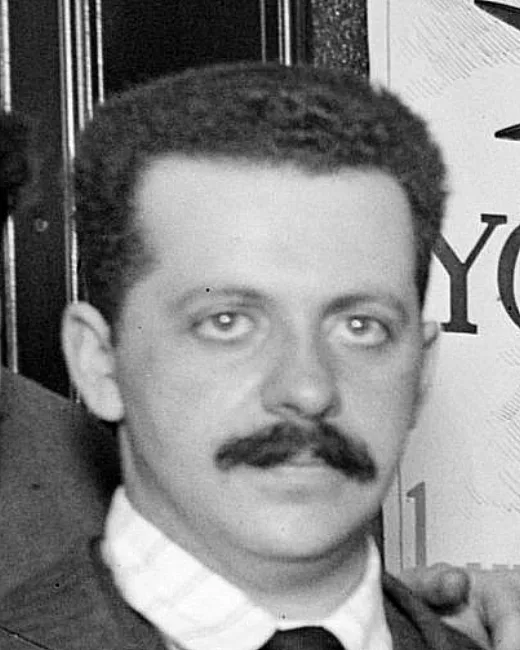 Public relations100.0
Edward Bernays
Bernays helped turn public relations into a profession and was unusually frank about its power. He mixed crowd psychology, media staging, celebrity endorsement, and political propaganda; the famous “Torches of Freedom” campaign is still taught because it tied a product to a social identity. His importance is hard to separate from the ethical problems in his work.
Start with -
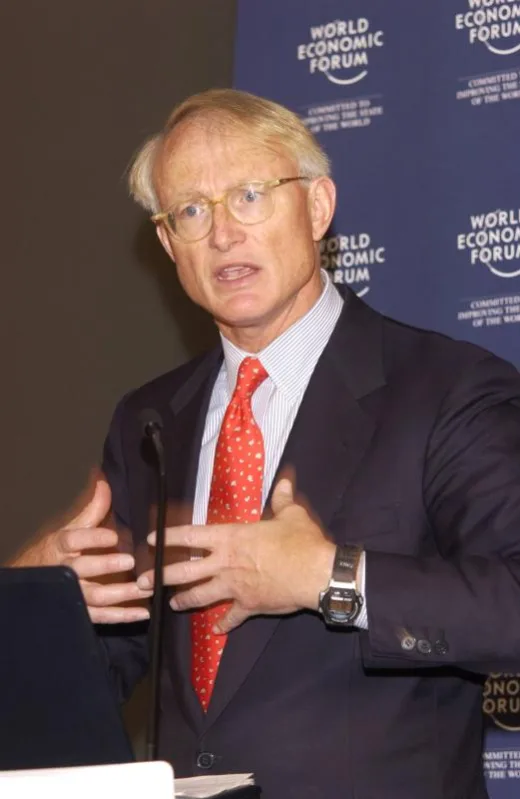 Strategy68.9
Michael Porter
Porter is a competitive-strategy scholar, not a marketer in the narrow sense. Five Forces, the value chain, and his argument that strategy requires trade-offs gave executives a durable way to reason about where profits come from. He ranks this high because those ideas connect marketing to economics, operations, management, and public policy across Wikipedia.
- Advertising46.5
David Ogilvy
Ogilvy built Ogilvy & Mather around research, disciplined copy, and the belief that advertising should sell without insulting the buyer. Rolls-Royce, Hathaway shirts, Dove, and Schweppes made him the best-known spokesman for the mid-century agency craft. His books turned working methods into a canon that copywriters still argue with.
-
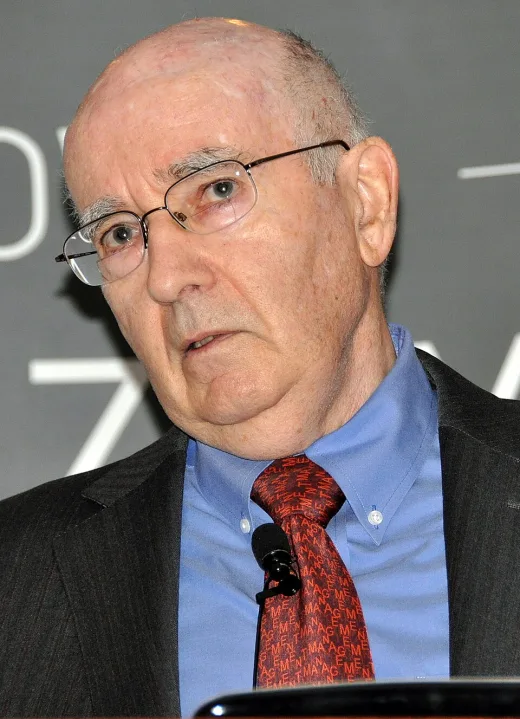 Marketing theory33.5
Philip Kotler
Kotler organized modern marketing into a managerial discipline. Marketing Management became the field’s dominant textbook, while his later work pushed marketing into nonprofits, public policy, place branding, and social change. More than anyone else on this list, he helped standardize what generations of students learned as “marketing.”
Start with -
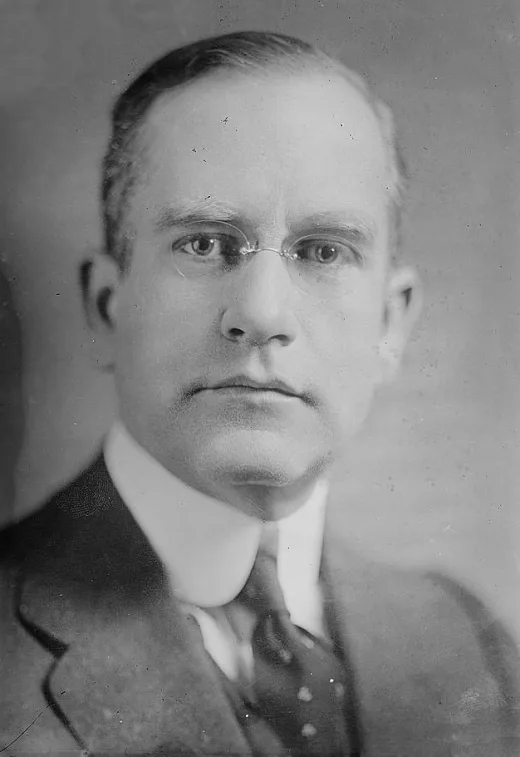 Marketing theory21.2
Arch Wilkinson Shaw
Shaw is the list’s first real surprise. A publisher, management thinker, and early Harvard Business School instructor, he wrote about distribution when marketing was still separating itself from economics. He also founded System magazine, the publication that eventually became Businessweek. His rank reflects how many later fields grew out of those early management debates.
- Market research20.5
Arthur Nielsen
Nielsen industrialized audience and consumer measurement. His company tracked product sales, developed retail audits, and made radio and television ratings part of the business model of broadcasting. Much of modern media planning rests on the premise he helped normalize: markets can be observed continuously, not guessed at periodically.
Start with -
 Digital marketing19.0
Andreas Kaplan
Kaplan is an academic whose widely cited papers gave managers early taxonomies for social media, mobile marketing, and artificial intelligence. A handful of definitional papers can connect one biography to dozens of technology and business pages, so scholarly citations carry him a long way through Wikipedia.
Start with - Strategy18.4
Theodore Levitt
Levitt’s “Marketing Myopia” supplied one of the field’s most persistent warnings: define a business by the customer need, not the product currently satisfying it. As a Harvard professor and longtime Harvard Business Review editor, he also helped move marketing from a sales function toward a way of framing the entire company.
Start with - Branding17.5
John Murphy
Murphy founded Interbrand and helped make brands legible as economic assets rather than decorative identities. His work on brand valuation gave boards, accountants, and dealmakers a language for discussing intangible value. He is less famous than most people near him in the ranking, but his work connects design, marketing, accounting, and corporate finance.
- Market research17.0
Mark Abrams
Abrams brought survey research into postwar British social policy and consumer analysis. He helped popularize the ABC1 social-grade classification and identified teenagers as a distinct consumer market before “youth marketing” became routine. Polling, sociology, politics, and segmentation all run through his career.
- Criticism16.9
Vance Packard
Packard was a journalist and critic, not an industry builder. The Hidden Persuaders introduced a mass audience to motivational research, subliminal influence, and the machinery behind consumer desire. Some of its claims aged poorly, but the book permanently changed how the public talks about advertising’s power and ethics.
Start with - Cultural criticism16.6
Andrew Potter
Potter is another boundary case. With Joseph Heath, he argued that counterculture often feeds consumer capitalism instead of defeating it; later books examined authenticity and status. That makes him relevant to branding and consumption, but calling him the twelfth-greatest marketer would be silly. Wikipedia has picked up an adjacent critic with links into several bigger subjects.
Start with -
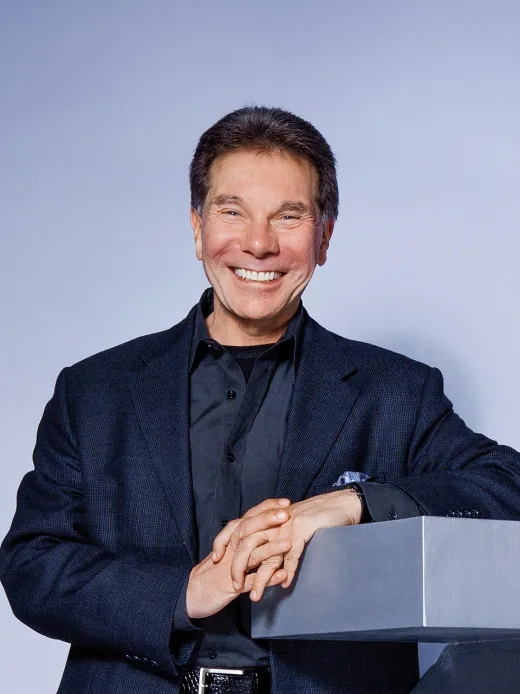 Behavioral science16.4
Robert Cialdini
Cialdini translated social-psychology research into a practical vocabulary for persuasion: reciprocity, commitment, social proof, authority, liking, scarcity, and later unity. Influence became a standard text across sales, fundraising, product design, and policy. His popularity also illustrates how easily marketing expands into the wider study of human behavior.
Start with -
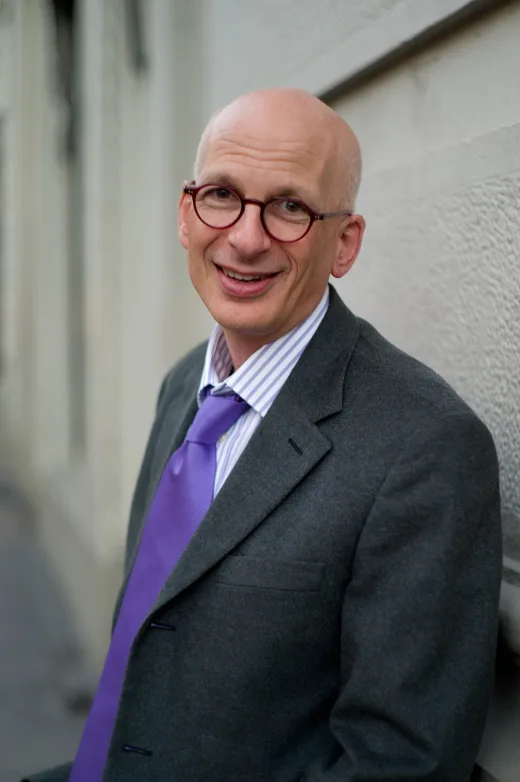 Marketing author16.3
Seth Godin
Godin gave the early web a humane alternative to interruption advertising. Permission Marketing argued that attention should be earned over time, while Purple Cow made distinctiveness the organizing idea for product and promotion. He also practiced the model in public through daily writing, books, courses, and the early direct-marketing company Yoyodyne.
Start with - Consumer research15.4
Ernest Dichter
Dichter imported psychoanalytic ideas into consumer research and became the best-known practitioner of motivational research. He used depth interviews and projective techniques to look for the private meanings attached to ordinary products. The work opened marketing to unconscious motivation, while also inviting the ethical criticism Packard made famous.
-
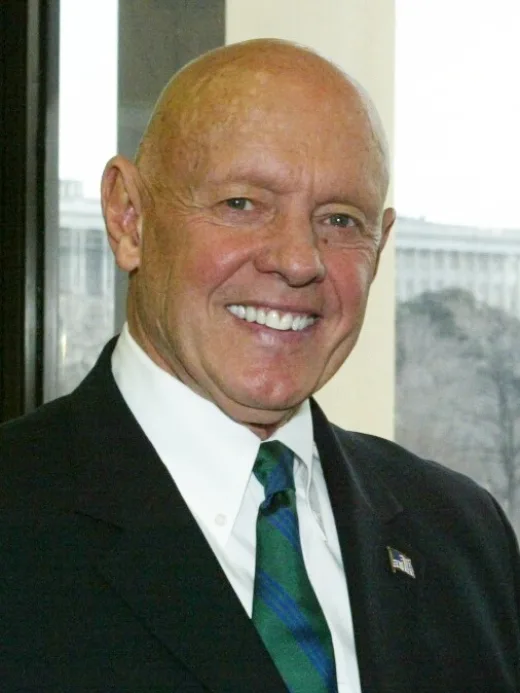 Business author15.2
Stephen Covey
Covey is here because the candidate list includes marketing and advertising authors, not because he developed a core marketing theory. The 7 Habits made him one of the most connected management writers on Wikipedia and turned personal effectiveness into a global publishing and training business. In other words: category leakage.
- Market research15.2
Elmo Roper
Roper was a pioneer of scientific opinion polling and one of the people who made sampling a commercial and political tool. His research firm served both companies and news organizations, and his archives became the foundation of Cornell’s Roper Center. His career shows how closely commercial research and public-opinion polling developed.
-
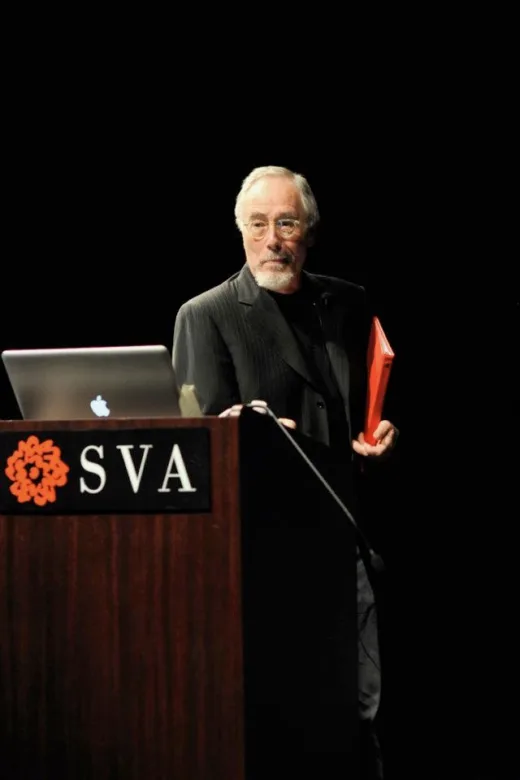 Media history14.8
Stuart Ewen
Ewen studies the institutions and images that manufacture public consent. Captains of Consciousness traced advertising’s role in building mass consumption; PR! followed the history of public relations and spin. Wikipedia does not separate critics and historians from the practitioners they study; it links all of them into the same subject.
-
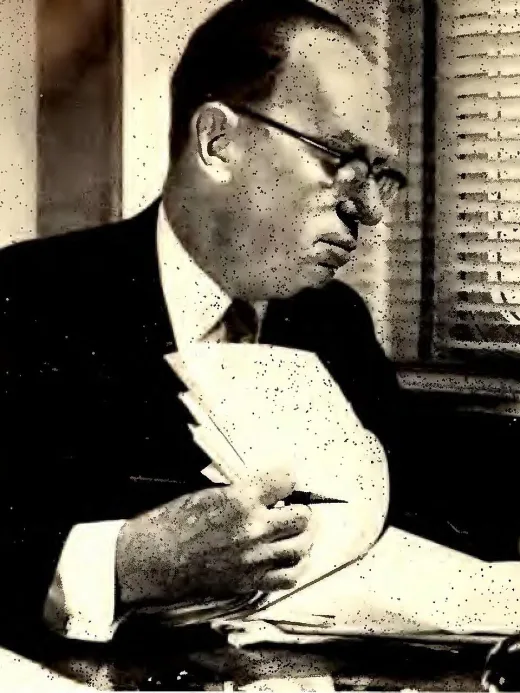 Advertising14.7
Leo Burnett
Burnett built an agency around plainspoken storytelling, product drama, and characters that could live for decades. Tony the Tiger, the Jolly Green Giant, the Marlboro Man, and the Maytag Repairman helped define American mass advertising. He was less of a theorist than Ogilvy, but his campaigns became part of popular culture.
Start with - Advertising research14.6
Daniel Starch
Starch helped move advertising measurement from opinion to repeatable testing. His readership studies asked whether people noticed, associated, read, and acted on an ad; versions of the Starch test survived for decades. He also wrote one of the first major textbooks on advertising principles.
-
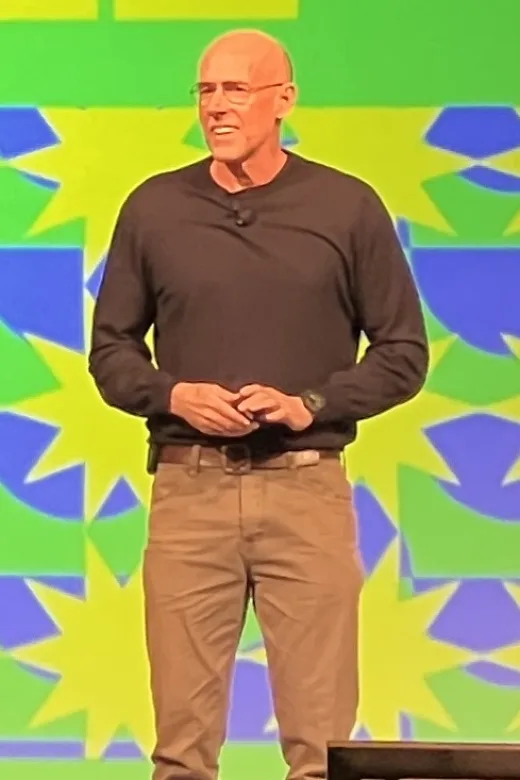 Media and strategy13.2
Scott Galloway
Galloway combines an NYU marketing professorship with entrepreneurship and an unusually large media platform. The Four analyzed the power of Amazon, Apple, Facebook, and Google; his newsletters and podcasts now range well beyond marketing. Recent visibility and cross-domain links help him outrank many foundational scholars.
Start with - Marketing theory10.7
Jagdish Sheth
Sheth is a prolific scholar of buyer behavior, relationship marketing, competition, and global markets. His early work with John Howard helped formalize consumer decision-making; later books examined customer centricity and the structural patterns that concentrate market share. He has spent a career connecting behavioral theory to managerial choices.
Start with -
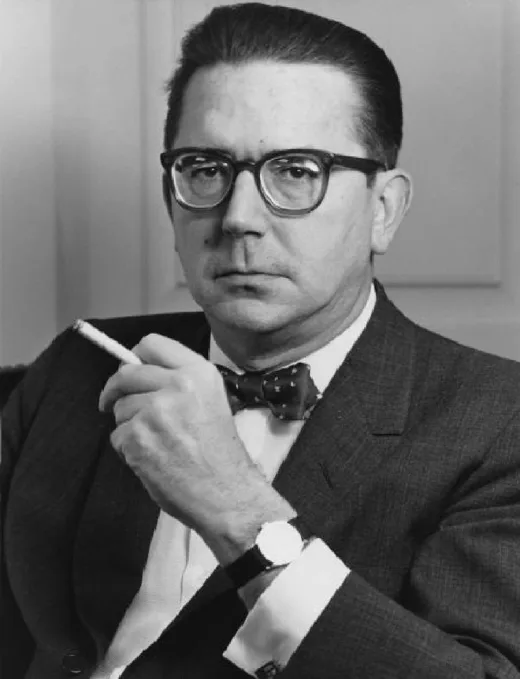 Advertising9.6
Rosser Reeves
Reeves made the unique selling proposition a doctrine: identify one meaningful claim, make it exclusive, and repeat it hard enough to stick. His Ted Bates campaigns for Anacin and M&M’s embodied the approach. The work can feel blunt beside Bernbach’s creative revolution, but it remains the ancestor of countless modern positioning briefs.
Start with - Marketing theory9.5
E. Jerome McCarthy
McCarthy compressed the marketing mix into the four Ps: product, price, place, and promotion. The scheme was never meant to explain everything, but it made a complicated managerial job teachable and portable. Six decades later, people still use it as a checklist, a planning frame, or something to complain about.
- Nation branding9.4
Koh Buck Song
Koh is a Singaporean writer and consultant best known for work on country branding and the public story of Singapore. Brand Singapore examines how a nation’s identity is built, contested, and exported. It is a narrow specialty with links into politics, culture, tourism, diplomacy, and business, which makes it excellent PageRank territory.
Start with -
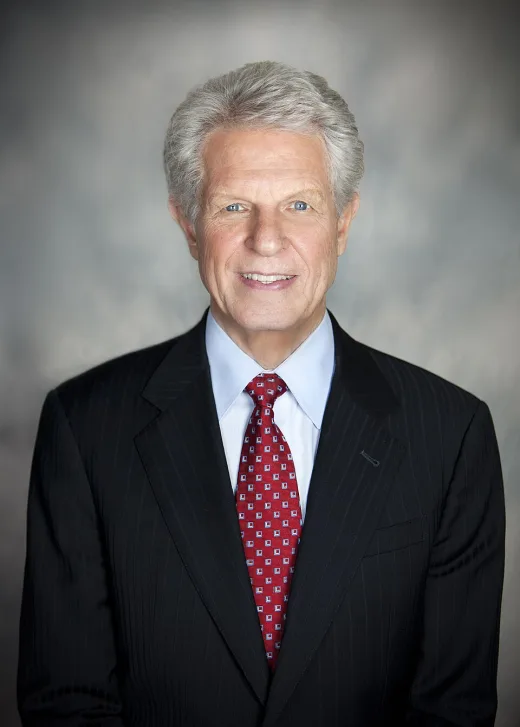 Positioning8.5
Al Ries
Ries, working first with Jack Trout and later with Laura Ries, made positioning the lingua franca of brand strategy. The central claim is simple and severe: brands compete for a limited piece of the buyer’s mind, not merely for shelf space. His best work is sharp enough to be useful and dogmatic enough to start a fight.
-
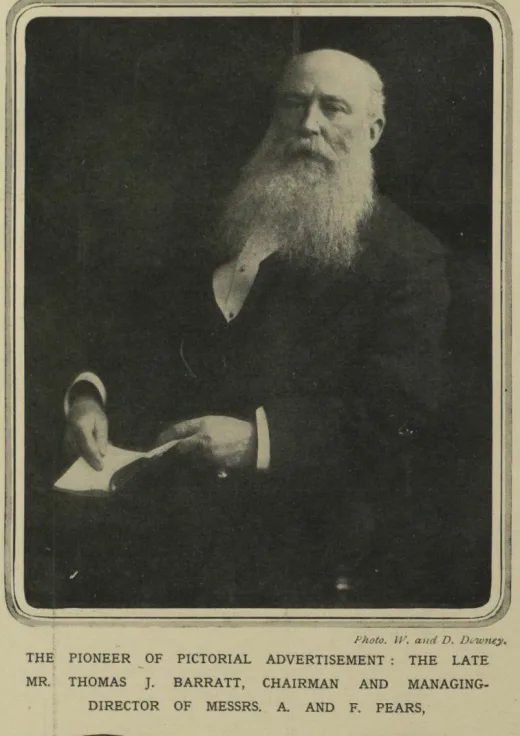 Advertising8.2
Thomas J. Barratt
Barratt turned Pears soap into a Victorian mass brand through slogans, repetition, testimonials, newsmaking, and borrowed cultural prestige. His adaptation of Millais’s Bubbles is an early case of fine art becoming commercial media. He is often called the father of modern advertising because he treated the brand as a system, not a single announcement.
- Advertising theory8.1
E. St. Elmo Lewis
Lewis is usually credited with the hierarchy that became AIDA: attention, interest, desire, action. The exact historical lineage is messier than textbook diagrams admit, but the model became the template for funnels, sales stages, and response copy. Few marketing acronyms have had a longer afterlife.
Start with -
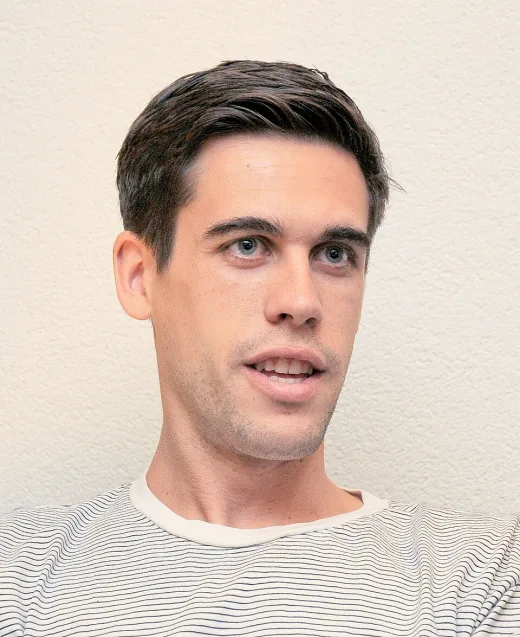 Media strategy7.8
Ryan Holiday
Holiday’s marketing reputation comes from American Apparel, book launches, and Trust Me, I’m Lying, his insider account of manipulating the online media cycle. He later built a much larger audience around Stoicism. Those publishing and philosophy links now contribute at least as much to his Wikipedia position as his marketing career does.
Start with - Market research7.7
Archibald Crossley
Crossley pioneered audience measurement for radio and helped establish standards for public-opinion research. His Crossley ratings used telephone recall to estimate program audiences before electronic meters existed. The industry later replaced his system, but not the commercial premise: media becomes easier to buy once somebody can count the audience.
Start with - Market research7.0
Charles Coolidge Parlin
Parlin created what is widely described as the first organized in-house market-research department at Curtis Publishing in 1911. He interviewed distributors, mapped markets, and produced large studies of department stores, automobiles, and aviation. Before dashboards and panels, he established the basic bargain: better evidence can make advertising inventory more valuable.
- Branding6.9
Wally Olins
Olins helped define corporate identity as a strategic discipline. Through Wolff Olins, Saffron, and a shelf of influential books, he argued that design, behavior, culture, and communication have to tell the same institutional story. He later extended that thinking to cities and nations, sometimes persuasively and sometimes controversially.
Start with - Technology marketing6.9
Regis McKenna
McKenna helped market Intel’s early microprocessors, Apple’s first personal computer, and a long list of Silicon Valley companies before “technology marketing” had a playbook. He emphasized relationships, category creation, and rapid feedback between company and market. His 1995 essay on real-time marketing anticipated the permanently connected customer.
Start with -
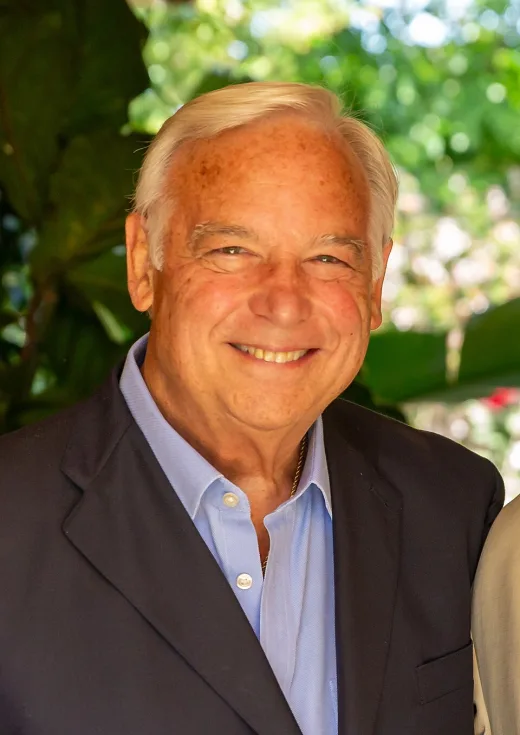 Business author6.4
Jack Canfield
Canfield co-created Chicken Soup for the Soul and built it into a publishing, licensing, and speaking franchise. He is much closer to self-help entrepreneurship than marketing theory. His inclusion comes from the source list of marketing authors and the enormous cultural footprint of the brand he helped create.
Start with - Direct response6.1
Claude C. Hopkins
Hopkins treated advertising as controlled salesmanship. He championed samples, coupons, reason-why copy, and testing long before those ideas had modern measurement infrastructure. Scientific Advertising is dated in its assumptions but startlingly current in its demand that an ad earn a measurable response.
Start with -
 Brand strategy6.0
John Gerzema
Gerzema used the BrandAsset Valuator database to argue that financial markets were pricing brands more generously than consumers were experiencing them. The Brand Bubble made that disconnect the story; later books tracked post-recession values and the relationship between traditionally feminine traits and leadership. Most of his work combines polling, brand valuation, and cultural analysis.
Start with -
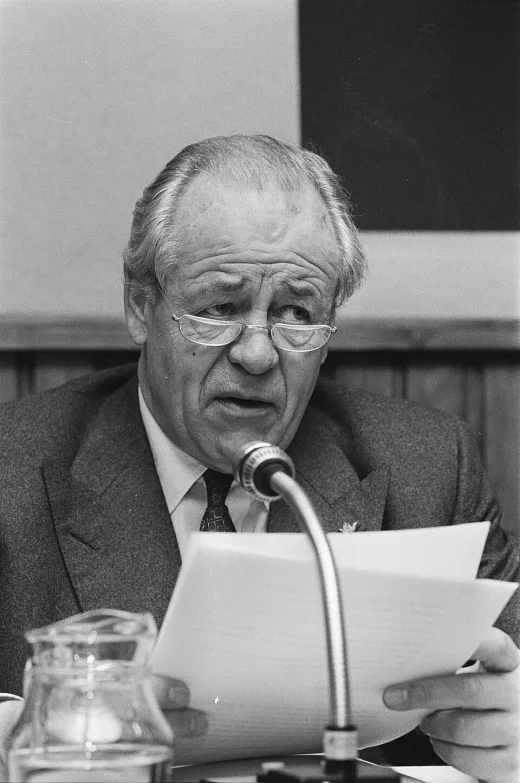 Brand leadership5.9
Freddy Heineken
Heineken was a brewer and chief executive with an advertiser’s eye. He pushed the family beer toward a consistent global identity and personally obsessed over packaging, typography, and the red star. His World Bottle, a beer bottle designed to become a building brick, never scaled but remains a memorable piece of circular-design history.
Start with -
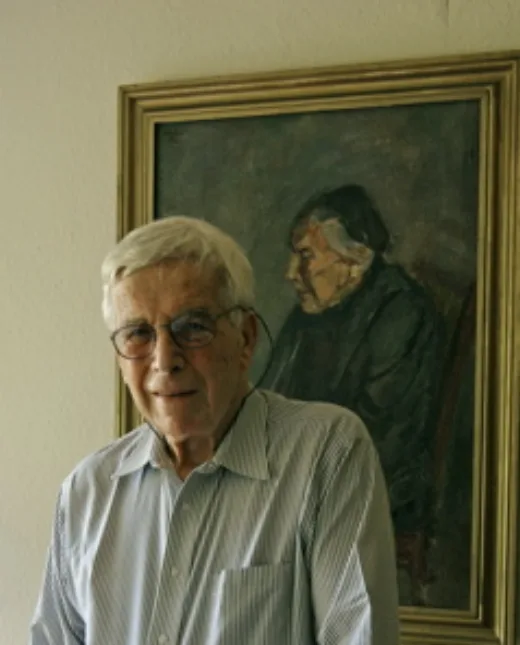 Marketing science5.3
Andrew S. C. Ehrenberg
Ehrenberg looked for repeatable laws in messy buying data and found more regularity than most marketers expected. His work on repeat buying, the NBD-Dirichlet model, and Double Jeopardy showed that smaller brands usually have fewer buyers and slightly lower loyalty. The Ehrenberg-Bass Institute carries that empirical tradition forward.
- Marketing science5.1
Frank Bass
Bass gave innovation forecasting one of its standard models. His 1969 paper described new-product adoption as a mix of innovation and imitation, producing the familiar S-shaped diffusion curve and an estimate of the sales peak. The model remains popular because it can be fitted with limited data and often gives a better starting point than intuition.
- Positioning4.8
Jack Trout
Trout developed positioning with Al Ries, then spent the rest of his career applying its competitive logic to differentiation and category warfare. His writing is blunt, memorable, and built for executive use. The partnership’s language—own a word, find a hole, reposition the competition—still shapes brand briefs far beyond the books.
-
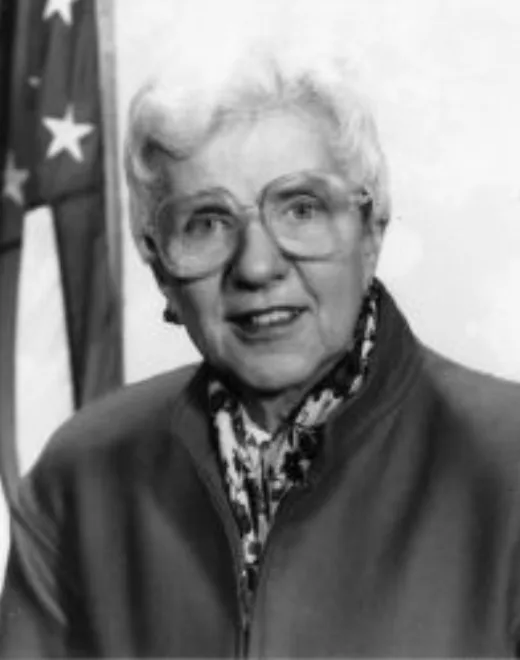 Market research4.5
Barbara Everitt Bryant
Bryant spent two decades in commercial market research, then became the first woman to lead the U.S. Census Bureau and oversaw the 1990 census. She later directed the American Customer Satisfaction Index. Few careers connect private opinion research, national statistics, and customer-experience measurement so directly.
Start with -
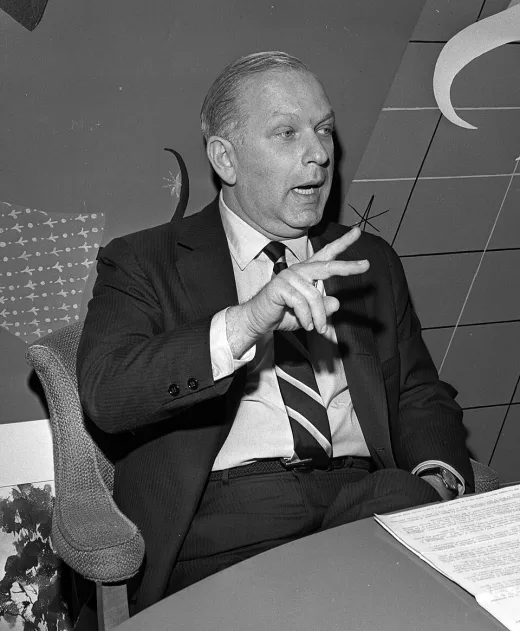 Advertising4.5
William Bernbach
Bernbach co-founded Doyle Dane Bernbach and helped start advertising’s creative revolution. Pairing art directors with copywriters sounds obvious now; it was a structural break then. Volkswagen’s “Think Small” and Avis’s “We Try Harder” proved that wit, restraint, and an honest product truth could outperform chest-beating.
Start with - Marketing theory4.2
Wroe Alderson
Alderson tried to explain marketing as a system of exchanges, assortments, and institutions rather than a bag of promotional tactics. His functionalist theory gave the field concepts for understanding channels and organized behavior. The language can be dense, but the ambition was large: a general theory of how heterogeneous supply meets heterogeneous demand.
- Marketing strategy4.2
George S. Day
Day’s work asks what a market-driven organization can do that an inward-looking competitor cannot. He developed influential ideas around market sensing, customer linking, outside-in strategy, and vigilant leadership. His argument is that companies need better systems for seeing and acting on the market, not that they should obey every customer request.
- Marketing theory4.2
Neil H. Borden
Borden coined “marketing mix” to describe the variables a manager blends into a program. His original list was far broader than the four Ps that McCarthy later popularized, covering product planning, branding, channels, personal selling, advertising, research, and more. The metaphor survived because it makes marketing sound like active composition.
Start with - Agricultural economics4.2
Henry Charles Taylor
Taylor is remembered as a founder of American agricultural economics, but marketing was part of that project. He studied the movement and pricing of farm products, built public information systems for farmers, and led the federal Bureau of Agricultural Economics. He is a reminder that early marketing work often meant distribution, price information, and public administration.
- Business history4.2
Richard S. Tedlow
Tedlow is a business historian whose case studies explain how mass markets, segmentation, distribution, and corporate leadership developed together. New and Improved follows the making of American mass marketing through battles such as Coke versus Pepsi and Ford versus GM. His biographies make strategy concrete by showing the people and institutions carrying it out.
Start with -
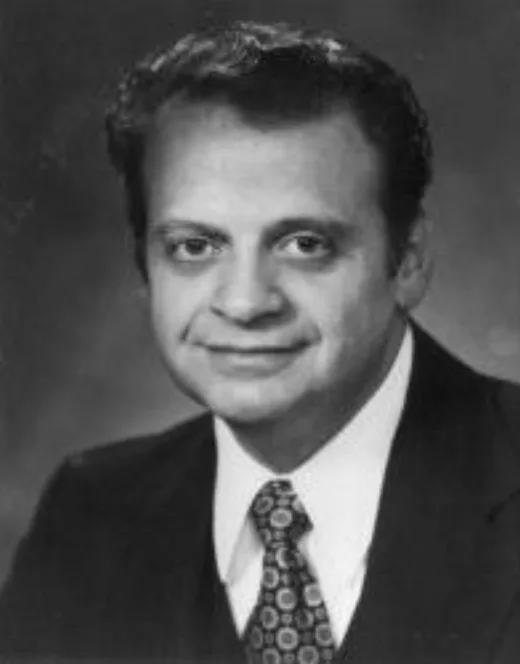 Market intelligence3.9
Vincent Barabba
Barabba moved between political polling, the Census Bureau, Xerox, Kodak, and General Motors. Across those settings he argued that research should be a decision system, not a delivery service for reports. He remains the only person to lead the permanent Census Bureau in two nonconsecutive terms.
Start with -
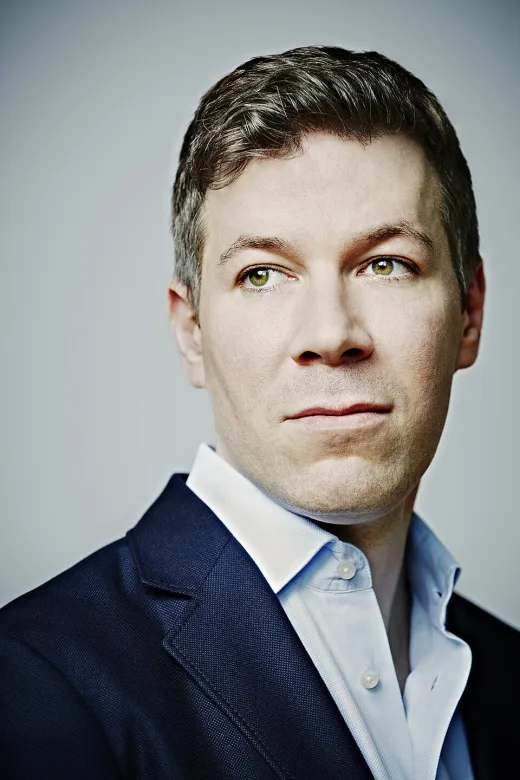 Consumer culture3.9
Markus Giesler
Giesler studies how markets are made socially rather than merely discovered by firms. His best-known paper follows the rise of Botox through clashes between the brand’s intended image and hostile “doppelgänger” images. It is useful work for anyone dealing with contested categories, activist pressure, or innovations that need cultural permission.
-
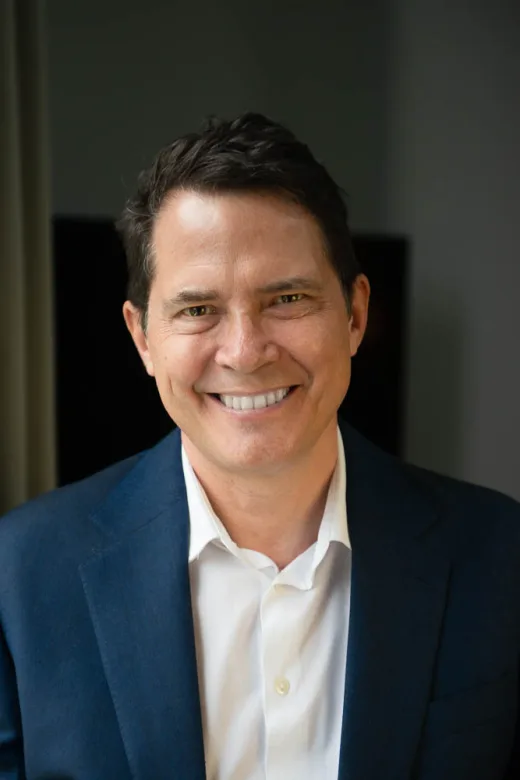 Market research3.8
Ben Page
Page is a British pollster and the global CEO of Ipsos. His public work focuses on the gap between what people say, what they believe others think, and how governments or brands interpret the difference. His Wikipedia links reach into polling, public policy, trust research, and global consumer trends.
Start with
What this method gets wrong
PageRank treats links as evidence of importance. For this question, that creates some obvious biases.
- Wikipedia is the object being measured. The result reflects its editors, coverage, citation habits, and link conventions.
- This is English Wikipedia. People central to other languages and markets can be badly understated.
- Age helps. Older people and ideas have had longer to accumulate links and historical context.
- Broad fame helps. A person linked from politics, media, psychology, and business can beat a more influential specialist.
- The candidate gate matters. No category system can draw an objective border around “marketing people.”
- The clocks differ. PageRank comes from June 1, 2025; candidate membership was collected July 28–29, 2026.
- Wikipedia notability is an entrance requirement. A consequential person without an English Wikipedia biography cannot appear.
- Centrality is not merit. The score says nothing about effectiveness, originality, ethics, or whether the work remains sound.
- Links are not independent votes. Even after template blocks are excluded and duplicate edges are collapsed, pages still share editorial conventions and topic clusters.
The profiles have a similar bias. Famous books and named frameworks are easy to link. Arthur Nielsen’s measurement systems and Barbara Bryant’s census administration are harder to reduce to one title, even though both changed how organizations see markets.
The profiles and “start with” links are editorial annotations written after the ranking. They are not PageRank outputs and do not affect the order.
Data, code, and source notes
The candidate filtering, page-ID join, sorting, display normalization, and robustness checks are reproducible from the files below. The upstream PageRank is not recomputed here; it is the published WikiSnap25 value.
- Start here: data-package guide and claim boundary (Markdown)
- Top 100, with raw PageRank and global Wikipedia position (CSV)
- Frozen eligible candidate manifest v1 (CSV)
- Candidate audit with acceptance and rejection reasons (CSV)
- Ten unmatched candidates with article creation dates (CSV)
- Alternate centrality sensitivity results (CSV)
- Leave-one-admission-source-out results (CSV)
- Run metadata (JSON)
- Exact direct Python dependency versions (TXT)
- Frozen public Wikipedia/Wikidata API response cache (TAR.GZ)
- Analysis script (Python)
Network metrics: WikiSnap25,
English Wikipedia snapshot dated June 1, 2025. Candidate data: live English Wikipedia
and Wikidata APIs, retrieved July 28–29, 2026 Pacific time. The local network-metrics file
contained 7,008,375 rows and matched the publisher’s MD5 checksum
32fc1cddbe675fa52bbb204c0358e9ad.
WikiSnap25’s record says its processing code is released, but I could not locate a code archive in the record’s visible file list. Its data dictionary documents the PageRank equation and graph construction but does not give the numeric damping factor, convergence tolerance, or maximum iterations. Independently reconstructing the upstream scores therefore requires clarification from the dataset author or a fresh calculation from the published 4.6 GB edge table.
Portrait credits and licenses (24)
- Edward Bernays: Bain News Service. Wikimedia Commons source. Public domain.
- Michael Porter: World Economic Forum from Cologny, Switzerland. Wikimedia Commons source. CC BY-SA 2.0.
- Philip Kotler: Jack11 Poland. Wikimedia Commons source. CC BY-SA 3.0.
- Arch Wilkinson Shaw: Bain. Wikimedia Commons source. Public domain.
- Andreas Kaplan: MarinaLa1988. Wikimedia Commons source. CC BY-SA 4.0.
- Robert Cialdini: Viktorbuehler. Wikimedia Commons source. CC BY-SA 3.0.
- Seth Godin: Joi Ito. Wikimedia Commons source. CC BY 2.0.
- Stephen Covey: Neshan H. Naltchayan. Wikimedia Commons source. Public domain.
- Stuart Ewen: Literallysayhi. Wikimedia Commons source. CC0.
- Leo Burnett: Unknown authorUnknown author. Wikimedia Commons source. Public domain.
- Scott Galloway: Phil Whitehouse from London, United Kingdom. Wikimedia Commons source. CC BY 2.0.
- Rosser Reeves: Matvey99. Wikimedia Commons source. CC BY-SA 4.0.
- Al Ries: Mary Jane Starke. Wikimedia Commons source. CC BY-SA 4.0.
- Thomas J. Barratt: W. & D. Downey. Wikimedia Commons source. Public domain.
- Ryan Holiday: Luiz Berengue. Wikimedia Commons source. CC BY-SA 2.0.
- Jack Canfield: Paul Peters. Wikimedia Commons source. CC BY 2.5.
- John Gerzema: Blanca Stella Mejia from Miami, United States. Wikimedia Commons source. CC BY 2.0.
- Freddy Heineken: Rob Croes for Anefo. Wikimedia Commons source. CC0.
- Andrew S. C. Ehrenberg: Byron Sharp aka Byronsharp at en.wikipedia. Wikimedia Commons source. Public domain.
- Barbara Everitt Bryant: United States Census Bureau. Wikimedia Commons source. Public domain.
- William Bernbach: Jack Carrick, Los Angeles Times. Wikimedia Commons source. CC BY 4.0.
- Vincent Barabba: United States Census Bureau. Wikimedia Commons source. Public domain.
- Markus Giesler: Consumerculturetheory. Wikimedia Commons source. CC BY-SA 3.0.
- Ben Page: Dataminer200. Wikimedia Commons source. CC BY-SA 4.0.


.jpg)

_(cropped).jpg)
_(cropped).jpg)


.jpg)
.jpg)
.jpg)
,_Bestanddeelnr_933-2895.jpg)


My favorite part of the result is how many half-forgotten researchers and early practitioners it pulls back into view. That is more useful than another list of whoever happens to be popular this year.